
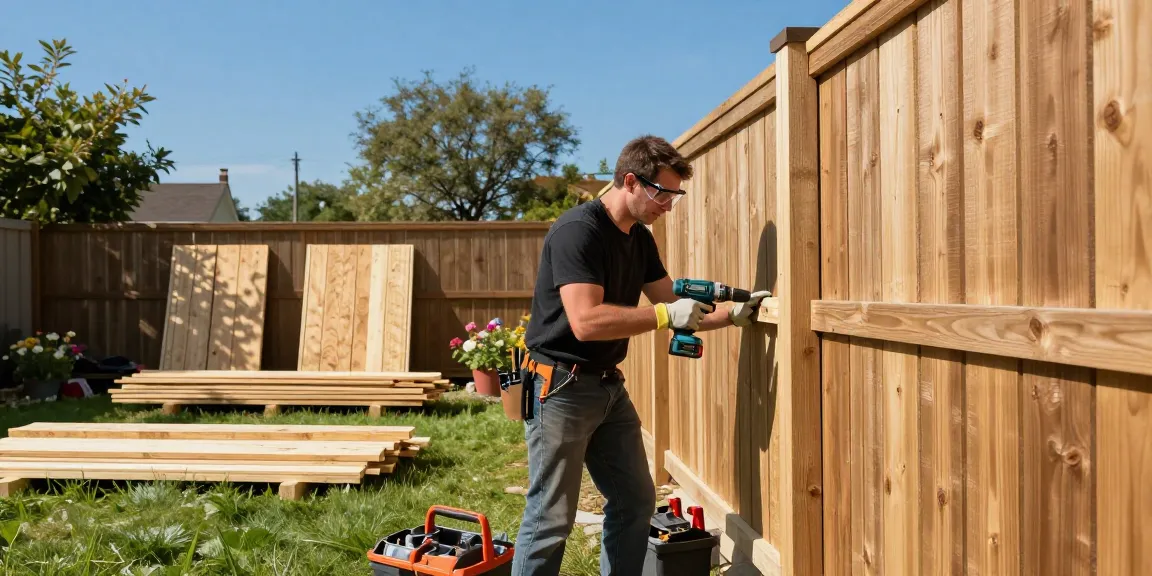
Understanding the Importance of Fencing in Home Improvement
Fencing is one of the most critical aspects of home improvement, serving both aesthetic and functional purposes. From providing privacy and security to enhancing the curb appeal of your property, well-constructed fences play a pivotal role in defining your home’s boundaries. Whether you’re considering a new installation or need repairs on an existing structure, it’s essential to understand the nuances of fencing. To address these needs effectively, that’s where We fix fences and build fences comes into play, ensuring your home’s fencing needs are met with precision.
Why We Fix Fences and Build Fences for Properties?
Fences serve as vital barriers that protect your property while also contributing to its overall look. When it comes to fixing fences, homeowners often face issues related to wear and tear, weather damage, or pest infestations. By investing in quality fence repair and installation, not only do you enhance your home’s appearance, but you also maintain its value. A sturdy fence can deter intruders, define property lines, and keep pets and children safe.
Common Types of Fences: Material and Design Choices
The choice of fencing material profoundly impacts both the functionality and the design of your property. Common materials include:
- Wood: Offers a natural look and is customizable, but requires regular maintenance.
- Vinyl: Low-maintenance and available in various colors, vinyl is becoming popular for its durability.
- Chain Link: Cost-effective and durable, it provides security but lacks privacy.
- Metal: Options like aluminum and wrought iron add elegance and longevity.
Each material presents unique benefits and challenges. Homeowners should evaluate these factors based on their specific needs and budget.
Step-by-Step Guide to Fence Repair
Identifying Common Fence Issues: Wear and Damage
Before engaging in repairs, it’s essential to identify the common issues that may arise with your fence, including:
- Rotting wood: Often caused by moisture exposure.
- Rust on metal fences: Caused by poor weather conditions.
- Broken boards or panels: Regular inspections can help catch these early.
Recognizing these problems promptly allows for timely repairs, extending the life of your fence.
Essential Tools and Materials for Fence Repair
Having the right tools can make the fence repair process much smoother. Essential tools include:
- Hammer and nails: For wood repairs.
- Screwdriver and screws: For tightening loose panels.
- Pry bar: Useful for removing damaged sections.
- Wire brush: To remove rust from metal fences.
Gathering the right materials before starting will streamline the process and ensure that you have everything you need on hand.
DIY vs. Professional Help: Making the Right Choice
Deciding whether to tackle a fence repair as a DIY project or hire professionals depends on various factors like the extent of the damage, your skill level, and the tools available. Small repairs can be done easily by homeowners who are handy, while larger issues might necessitate professional intervention. Hiring experts can save time and ensure high-quality repairs, whereas DIY can be cost-effective if done correctly.
Innovative Techniques in Fence Construction
Modern Materials: Eco-Friendly and Durable Options
With increasing awareness about sustainability, many homeowners are now opting for eco-friendly fencing materials. Options like bamboo fencing and recycled plastic can be both durable and environmentally friendly. These materials not only contribute to a sustainable home improvement strategy but also offer unique design aesthetics.
Design Trends for 2026: Aesthetic and Functional Considerations
As we move into 2026, the trends in fencing design are shifting towards functionality while still focusing on aesthetic appeal. Popular designs include:
- Horizontal fencing: Provides a modern look and can enhance the perception of space.
- Mixed materials: Combining wood with metal or other materials can create striking contrasts.
- Living fences: Incorporating plants and shrubs for green boundaries.
These emerging trends reflect the desire for individuality in home design while still addressing practical needs.
Incorporating Technology: Smart Fencing Solutions
The integration of technology in home improvement is becoming a game-changer for fencing solutions. Innovations like automated gates, security cameras integrated into your fencing, and smart locking mechanisms are becoming increasingly popular. These advancements not only enhance security but also improve convenience for homeowners.
Cost Considerations for Fence Installation and Repair
Budgeting for Fence Projects: What to Expect
Understanding costs associated with fence projects can help in effective budgeting. Factors that influence fencing costs include the choice of materials, design complexity, and labor costs. On average:
- Minor repairs: $150 to $300
- Average fence repair: $500 to $900
- Major repairs: $1,000 to $1,500+
By anticipating these costs, homeowners can plan appropriately, whether opting for full replacements or targeted repairs.
Comparative Analysis: DIY Costs vs. Hiring Professionals
While DIY projects can save money, they often come at the cost of time and effort. Hiring professionals typically incurs higher upfront costs but can provide long-term savings through high-quality workmanship. When considering whether to DIY or hire, assess your own skills and available time against the complexity of the project.
Understanding Local Regulations and Permitting Costs
Local regulations surrounding fencing can vary significantly and may impact both the installation and repair processes. Homeowners should research local zoning laws, building codes, and permitting costs to avoid potential fines and ensure compliance. Understanding these factors from the outset can save headaches later in the process.
Future Trends in Fencing: What to Anticipate in 2026
Emerging Materials and Sustainable Practices in Fencing
The trend towards sustainability is not just limited to modern materials. Homeowners can expect to see more innovative practices that emphasize eco-friendly production methods and resource conservation. This can include utilizing locally sourced materials and innovative installations that minimize environmental impact.
Smart Fencing: Integrating Security Systems
As technology evolves, so does the potential for smarter fencing solutions. Future fencing solutions may include integrated security systems that monitor property perimeters, automated alerts, and remote access features. These advancements will likely cater to the increasing demand for safety and convenience in residential areas.
Trends in Aesthetic Appeal: Blending Fencing with Landscaping
In 2026, the fusion of fencing and landscaping is anticipated to be more prominent. Homeowners will likely focus on designs that harmonize their fencing structures with surrounding gardens, such as using natural materials that complement landscaping or incorporating features that enhance the outdoor living experience.
What are the common signs that my fence needs repair?
Common indicators include visible damage, leaning panels, rust spots (for metal), and paint peeling (for wood). If you notice gaps between the ground and the fence, it may also indicate the need for repairs.
How long does it typically take to install a new fence?
The time required for fence installation can vary depending on the size of the area and the materials used. Typically, installation can take anywhere from a day to a week.
What materials are best for long-lasting fences?
Durable materials such as vinyl, metal, and treated wood are ideal for longevity. Each material has its specific benefits, including weather resistance and maintenance requirements.
Are there maintenance tips to prolong my fence’s lifespan?
Regular inspections, timely repairs, and cleaning (particularly for metal and wood) can extend the life of your fence. Additionally, applying protective coatings can prevent weather-related damage.
How can I choose the right fencing contractor?
Research local contractors, read reviews, and obtain multiple quotes to compare. Ensure that the contractor has the necessary licenses and insurance to perform the work.