
Understanding Electric Farm Loaders
Electric farm loaders have revolutionized modern agricultural practices by providing an efficient and environmentally friendly solution for managing farm operations. These machines offer enhanced versatility and performance while reducing carbon emissions, making them a vital addition to any progressive farming setup. When exploring options, an electric farm loader can greatly enhance productivity and sustainability.
What is an Electric Farm Loader?
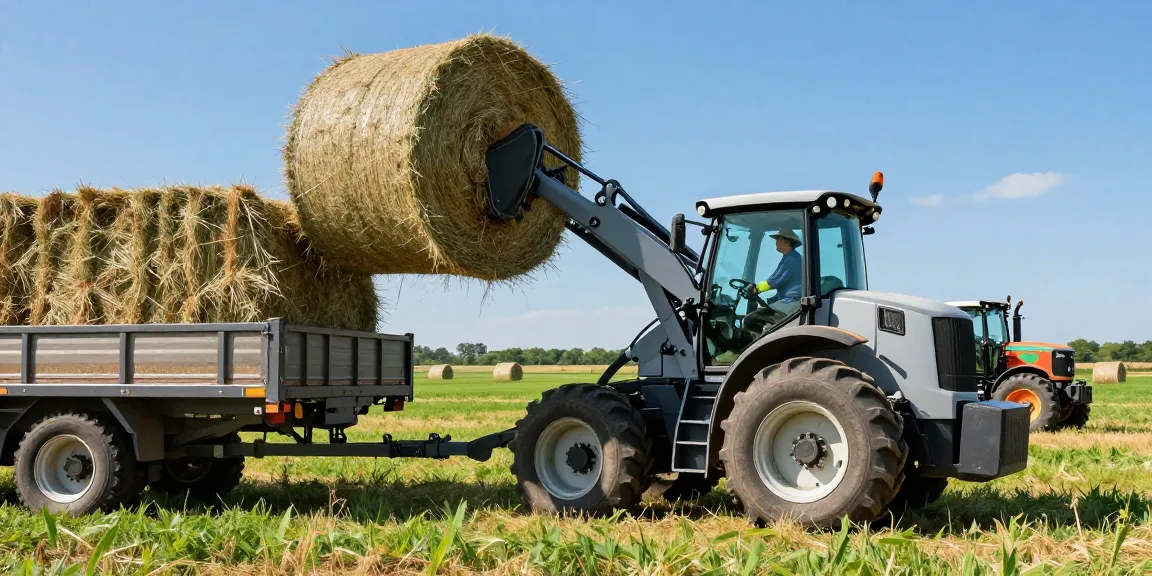
An electric farm loader is a type of machinery designed to lift, transport, and unload various materials on a farm. Unlike traditional diesel loaders, electric loaders operate on rechargeable batteries, providing a cleaner alternative that significantly reduces greenhouse gas emissions. They come equipped with advanced features that enhance their adaptability for various agricultural tasks, including loading hay bales, moving feed, and assisting in planting and harvesting operations.
Benefits of Electric Loaders Over Traditional Models
Electric farm loaders present numerous advantages over their diesel counterparts:
- Environmentally Friendly: Electric loaders emit no carbon dioxide, contributing positively to environmental conservation.
- Lower Operating Costs: Reduced fuel and maintenance costs make electric loaders more economical over time.
- Quieter Operation: Electric loaders operate silently, minimizing noise pollution on farms.
- Improved Safety: With fewer moving parts and reduced vibrations, electric loaders offer enhanced operator safety.
Key Features to Look For
When selecting an electric farm loader, consider the following key features:
- Lifting Capacity: Ensure the loader has adequate lifting capacity for your specific agricultural needs.
- Battery Life: Look for loaders with long-lasting batteries that can handle a full day’s work.
- Charging Time: Fast charging capabilities can minimize downtime during operations.
- Maneuverability: A compact design ensures ease of use in tight farm spaces.
Why Electric Farm Loaders Are Essential in 2026
As agriculture evolves, the adoption of electric farm loaders is becoming crucial for farmers aiming to improve efficiency and reduce their environmental footprint. With growing regulatory pressure and consumer awareness regarding sustainability, having electric machinery will be imperative for future farming operations.
Impact on Sustainability in Agriculture
Electric loaders support sustainable farming by decreasing reliance on fossil fuels and reducing harmful emissions. This shift is not only beneficial for the planet but also aligns with consumer demand for sustainably produced goods. Sustainable practices can enhance marketability and profitability for farmers who invest in eco-friendly equipment.
Cost Savings and Efficiency Gains
Operating electric farm loaders can lead to significant cost savings. With lower fuel costs, reduced maintenance expenses, and fewer mechanical failures, farmers can see improved profit margins. Furthermore, the efficient operation of electric loaders streamlines farm tasks, allowing for quicker job completion and better allocation of labor resources.
Improving Worker Conditions and Safety
Enhanced safety features and a quieter work environment are significant benefits of electric farm loaders. These loaders reduce operator fatigue and the risk of accidents by providing a smoother operational experience. Improved working conditions also positively impact employee morale and productivity, fostering a more engaged workforce.
Choosing the Right Electric Farm Loader for Your Needs
Selecting the appropriate electric farm loader is essential for maximizing the benefits these machines offer. Understanding your operational requirements and how they align with available models will ensure you make a wise investment.
Assessing Your Agricultural Operations
Consider the specific tasks you need the loader for, such as lifting heavy materials or moving items over long distances. Conduct an assessment of your farm’s layout and the typical material weights to determine the required lifting capacity and size of the loader.
Comparing Specifications and Capacities
Once you have a clear understanding of your needs, compare the specifications of different electric farm loaders. Look for loaders that offer the best combination of power, battery life, and maneuverability for your unique farming operations. Taking time to evaluate these options can lead to long-term benefits and increased productivity.
Top Brands and Models in the Market
Research popular brands known for their electric farm loaders. Brands that have garnered positive reviews for reliability and customer service should be prioritized. Examples include models from reputable manufacturers that focus on electric solutions for agriculture.
Best Practices for Operating Electric Farm Loaders
While electric farm loaders are straightforward to operate, adhering to best practices ensures longevity and efficiency in their use.
Regular Maintenance Tips for Longevity
Implement a regular maintenance schedule, including checking battery health, tire pressure, and mechanical components. Keeping the loader in optimal condition minimizes downtime and extends its usable life.
Efficient Loading and Unloading Techniques
Training staff in proper loading and unloading techniques can improve safety and efficiency. Ensuring that employees understand the maximum load capacities and balance during operation reduces the risk of accidents and equipment damage.
Training Staff for Safe Operation
Provide comprehensive training on the proper operation of electric farm loaders. Focus on safety protocols and operational best practices to enhance workplace safety and ensure employees are confident in using the machinery.
The Future of Electric Farm Loaders
The advancements in electric farm loader technology are set to revolutionize agricultural practices further. Innovations in battery technology, automation, and machine learning will enable loaders to become smarter and more efficient.
Emerging Technologies and Innovations
Expect to see advancements in battery capacity and charging speed, leading to loaders that can operate longer on a single charge. Additionally, automation features can optimize performance by adjusting operational parameters to suit specific tasks.
Predictions for Agricultural Equipment in 2026
As we move further into 2026, electric farm loaders are expected to become more prevalent as farmers adapt to a growing emphasis on sustainable practices. This shift represents a significant step towards an environmentally responsible agricultural sector.
How to Prepare for Changes in the Industry
Farmers should stay informed about industry trends and technological advancements. Engaging in educational opportunities and networking with other professionals can facilitate the transition towards more sustainable farming practices.
What are the advantages of using electric farm loaders?
Electric farm loaders are advantageous due to their environmental benefits, lower operational costs, and improved safety features. They also offer quieter operation, which can enhance the working environment.
How do electric loaders compare to diesel models?
Electric loaders stand out from diesel models in their lower emissions, reduced noise, and decreased operational costs. While diesel loaders can typically handle heavy loads, electric models are rapidly improving in terms of capacity and utility.
What maintenance is required for electric farm loaders?
Maintenance for electric farm loaders includes regular battery checks, tire inspections, and scheduled mechanical reviews to ensure all components function correctly.
Are electric farm loaders suitable for large farms?
Yes, electric farm loaders can be suitable for large farms, particularly as battery technology improves and lifting capacities increase. Farmers should select the appropriate model based on their operational needs.
What future trends should farmers be aware of?
Farmers should be aware of trends such as increased automation, technological advancements in equipment, and a significant shift towards sustainability practices in agriculture. Staying ahead of these trends can provide a competitive edge in the industry.