
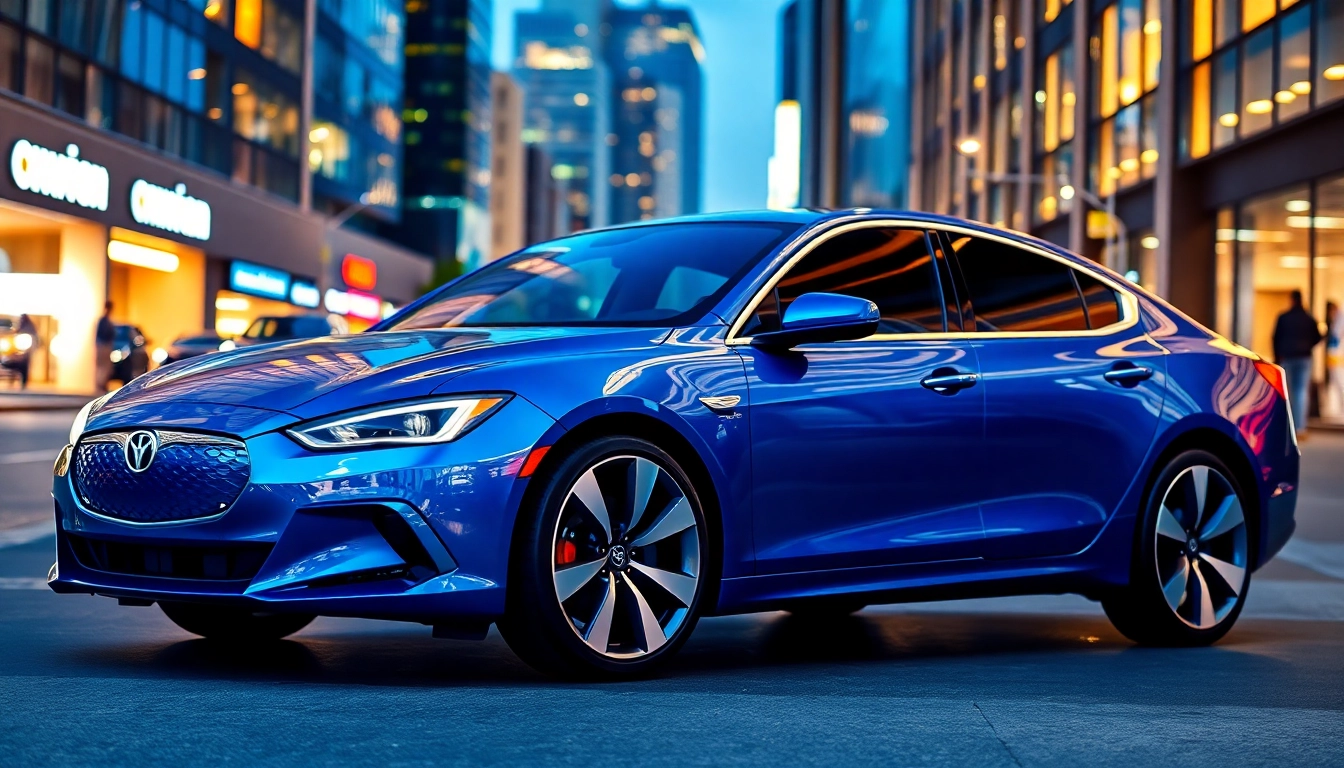
Understanding Paint Protection Film
What is Paint Protection Film?
Paint Protection Film (PPF) is a clear, durable, thermoplastic urethane film applied to the exterior surfaces of vehicles to shield the paint from various environmental hazards. It acts as a protective layer against scratches, UV rays, road debris, and other damaging elements. Initially developed for military applications to protect helicopter blades, PPF has evolved and is now widely used in the automotive industry. Its transparent nature allows the original vehicle color and aesthetics to be visible while providing essential protection.
Benefits of Paint Protection Film Near Me
Choosing paint protection film near me comes with numerous advantages that enhance the longevity and overall appearance of your vehicle. Here are some key benefits:
- Durability: PPF is engineered to be resistant to scratches and dings, significantly extending the life of your vehicle’s paint.
- Self-Healing Properties: Many modern PPFs feature self-healing technology, allowing minor scratches to disappear with heat exposure.
- UV Protection: It shields against the sun’s harmful UV rays, preventing paint fade and discoloration.
- Ease of Maintenance: The film makes it easier to clean the vehicle surface without the risk of damage to the underlying paint.
- Resale Value: By protecting the paint, PPF can help maintain a higher resale value by ensuring the vehicle looks newer for longer.
How Does It Work?
The application of paint protection film involves bonding the clear film to the painted surfaces of a vehicle. Once installed, it acts as a barrier that absorbs the impact from foreign objects and environmental contaminants. The top layer of the film typically has a high gloss finish that enhances the vehicle’s shine. Additionally, many PPFs possess chemical resistance properties, ensuring that contaminants such as bird droppings, tree sap, and road tar do not compromise the underlying paint.
Choosing the Right Paint Protection Film
Types of Paint Protection Film
There are several types of paint protection films available on the market today, each varying in quality, thickness, and features. Some of the most common types include:
- Standard Films: These films offer basic protection against scratches and light impacts, typically suitable for everyday driving.
- Self-Healing Films: As mentioned earlier, these films have properties that allow them to recover from minor nicks and scratches when exposed to heat.
- Matte Finish Films: Designed for vehicles with a matte paint finish, these films protect without adding gloss, maintaining the original aesthetic appeal.
- Commercial-grade Films: These tougher formulations are ideal for high-performance vehicles or heavy-duty applications.
Factors to Consider When Selecting Film
Choosing the right paint protection film involves several considerations:
- Thickness: Thicker films usually offer better protection but can be more challenging to install and may have a higher cost.
- Brand Reputation: Opt for reputable brands with positive customer feedback and proven performance.
- Warranty: Look for films that come with warranties, as they offer assurance of longevity and durability.
- Clear vs. Tinted: Decide if you want a clear film that maintains the original color or a tinted version for a personalized look.
- Installation Requirements: Some films are easier to install DIY, while others may require professional installation to achieve optimal results.
Where to Find Paint Protection Film Near Me
Finding quality paint protection film near me can be done through specialized automotive shops or certified installers. Online reviews, referrals from automotive enthusiasts, and checking social media platforms can lead you to trusted installers in your area. Moreover, various websites offer directories that list certified PPF installers based on your location.
Installation Process Explained
DIY vs. Professional Installation
Deciding between DIY installation and hiring professionals depends on your skill level and the complexity of the job. DIY installation can be cost-effective, allowing you to save on labor costs, but it requires precision and patience. Professional installation, on the other hand, ensures that the film is applied correctly and can often offer additional warranties. Consider factors such as available time, tools, and the specific type of film you choose when making your decision.
Steps for Proper Application
If you choose to install paint protection film yourself, following these steps can help ensure a successful application:
- Clean the Surface: Thoroughly wash and dry the vehicle’s surface to remove dirt, wax, and contaminants.
- Measure and Cut the Film: Measure the required sections and cut the film accordingly, leaving extra edges to work with during installation.
- Soak the Film and Surface: Use a solution of water and soap to soak both the film and the vehicle’s surface; this allows for easier adjustment during application.
- Apply the Film: Carefully place the film on the surface, using a squeegee to push out air bubbles and excess solution.
- Trim Excess Film: Once the film is positioned correctly, trim the excess material along the edges for a clean look.
- Final Check and Dry: Inspect the installation for any imperfections, allow the film to dry, and avoid washing the vehicle for a few days to ensure proper adhesion.
Maintenance After Installation
After installing paint protection film, maintenance is crucial for its longevity. Regular washing with pH-neutral soap and water is recommended, avoiding harsh chemicals that could damage the film. It’s also advisable to avoid exposing the film to extreme heat or direct sunlight for prolonged periods, as this may lead to curling or discoloration. In addition, regular inspections for any signs of wear, such as lifting edges or bubbling, can help address issues before they worsen.
Evaluating Performance
How to Measure Effectiveness
To evaluate the performance of your paint protection film, consider assessing its ability to resist scratches, protect against UV damage, and maintain clarity. Regular visual inspections can help identify flaws, while specific tests, like placing a piece of tape on the film and removing it, can indicate how well the film adheres and performs under stress.
Common Issues and Solutions
Some common issues with paint protection film include bubbling, yellowing, or peeling at the edges. To address bubbling, gently heat the area with a heat gun and use a squeegee to push out the air. Yellowing can be mitigated by applying a protective coating to enhance UV resistance. If the film is peeling, it may need replacement, but occasionally re-securing it with adhesive spray can be a temporary solution.
Longevity Expectations of Paint Protection Film
The longevity of paint protection film can vary based on quality and environmental factors, typically lasting between five to ten years. Regular maintenance, as mentioned earlier, can significantly impact its lifespan. Factors such as exposure to extreme weather conditions, road salt, and other environmental pollutants also play a crucial role. Investing in a higher-quality film often yields better longevity and performance.
Frequently Asked Questions
Is paint protection film worth the investment?
Yes, paint protection film is a worthwhile investment as it protects your vehicle’s paint, enhances resale value, and provides long-term durability against scratches and environmental damage.
How long does paint protection film last?
The effective lifespan of paint protection film typically ranges from five to ten years depending on the film’s quality and maintenance practices.
Can paint protection film be removed easily?
Yes, paint protection film can be removed, but it is recommended to have professionals handle the removal to avoid damaging the paint beneath.
Will paint protection film alter the color of my car?
No, high-quality paint protection films are transparent and will not alter the color of your vehicle while providing a glossy finish.
Can I wash my car after applying paint protection film?
Yes, you can wash your car after applying paint protection film. However, it’s best to wait at least 48 hours for the film to fully adhere before washing.